Debunking common myths about gambling What you need to know
Understanding the House Edge
One of the most persistent myths about gambling is that the house always has an unbeatable advantage. While it is true that casinos have a mathematical edge in most games, this does not mean that players are doomed to lose every time they gamble. The house edge varies by game; for instance, blackjack and poker can offer better odds for players compared to slots. It’s essential for players to understand these differences and choose games wisely to enhance their chances of winning. For those seeking even more options, checking out the best online casino australia real money can provide insights into top-rated sites.
Moreover, skilled players can reduce the house edge significantly through strategy and knowledge. In games like poker, the players compete against each other rather than the house, making skill a vital element of success. Therefore, understanding the house edge is crucial, but it should not deter players from enjoying the thrill of gambling.
Gambling is Only for the Unlucky
Another common misconception is that gambling is solely for those who have bad luck or poor decision-making skills. In reality, gambling can be a game of strategy, skill, and even social interaction. Many successful gamblers rely on sound tactics, deep understanding of the games, and disciplined bankroll management. The idea that only the unlucky gamble is simply a stereotype that doesn’t reflect the diverse motivations behind gambling.
Furthermore, many people engage in gambling as a form of entertainment, much like going to a movie or a concert. It is important to recognize that luck plays a role, but so do informed choices and strategies. Thus, gambling attracts a variety of individuals, each with their own reasons and methods.
The Misconception of Gambling Addiction
While gambling addiction is a serious issue, the belief that everyone who gambles becomes addicted is a significant myth. The vast majority of gamblers gamble responsibly and enjoy it as a leisure activity. Understanding gambling addiction requires a nuanced perspective, as various factors contribute to it, including psychological, social, and environmental conditions.
It’s essential to promote responsible gambling practices and educate individuals about the signs of addiction. By fostering a healthy relationship with gambling, players can enjoy their gaming experience without falling victim to harmful behaviors. This can include setting limits and recognizing when to step away from the table or slot machine.
The Illusion of Patterns and Systems
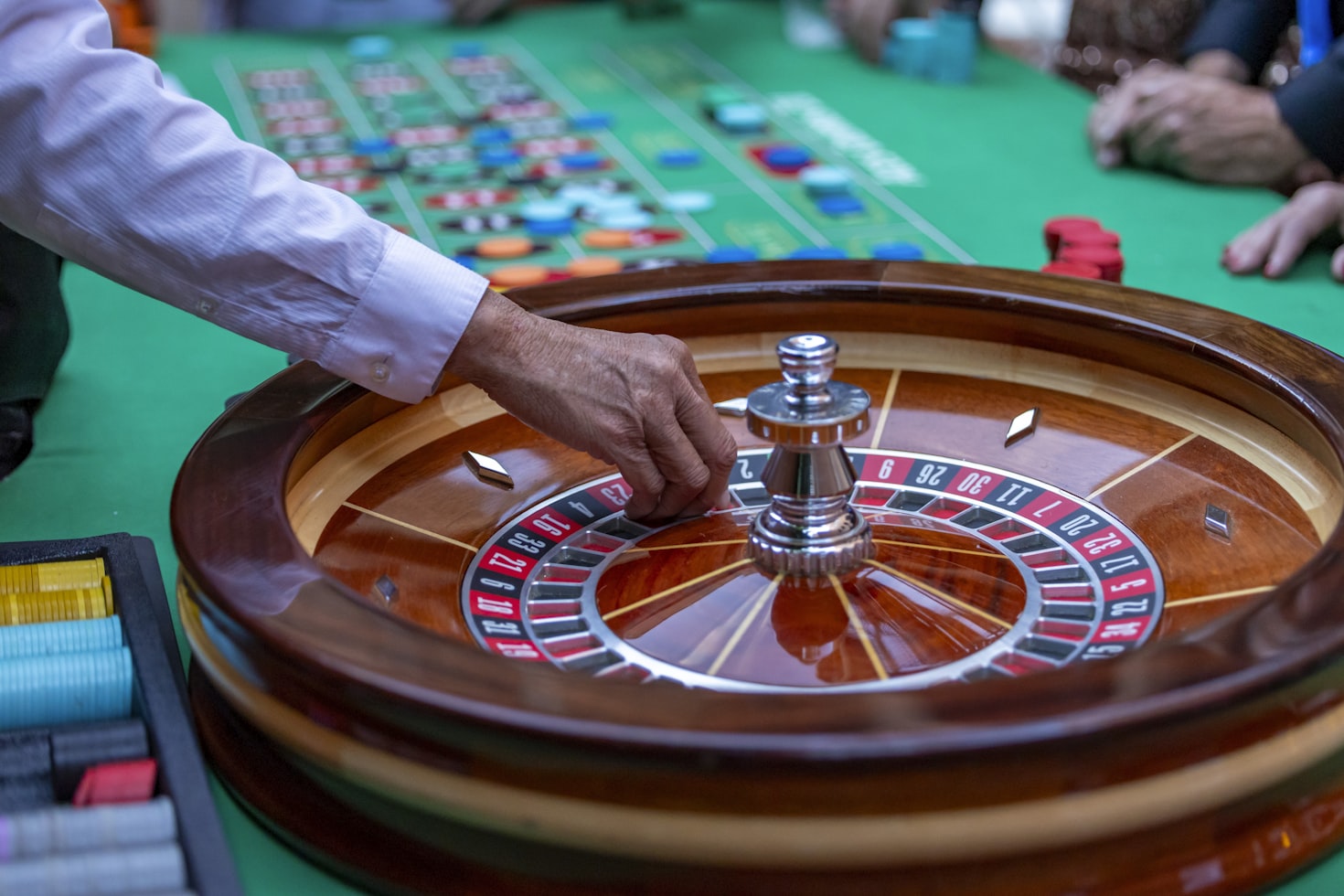
Many gamblers fall for the myth that they can predict outcomes based on previous results. Whether it’s a roulette wheel or a poker game, the belief that patterns can be discerned is a common fallacy. In most games of chance, every outcome is independent of previous ones, meaning no past result can influence future results.
Players often look for betting systems or strategies to beat the odds, but in reality, these systems can lead to more losses than gains. Understanding that games of chance are just that—games of chance—can help players make more informed decisions and avoid the pitfalls of chasing losses based on false patterns.
Exploring the Online Gambling Landscape
As online gambling continues to grow, so does the amount of misinformation surrounding it. Many people assume that online casinos are less secure or more prone to cheating than traditional brick-and-mortar establishments. However, reputable online casinos are regulated and often utilize advanced technology to ensure fair play and security.
Websites offering reviews and comparisons of online casinos can help players navigate this landscape. These platforms provide insights into the safety, game variety, and payment options available. Whether you are a seasoned gambler or a newcomer, understanding the online environment can enhance your gaming experience while ensuring your safety and security.